
125 uur tijdswinst: Deventer Ziekenhuis schrapt groepsconsulten en zet Divi’s in
Het Deventer Ziekenhuis zet volop in op hybride zorg. Patiënten die een liesbreukoperatie of…
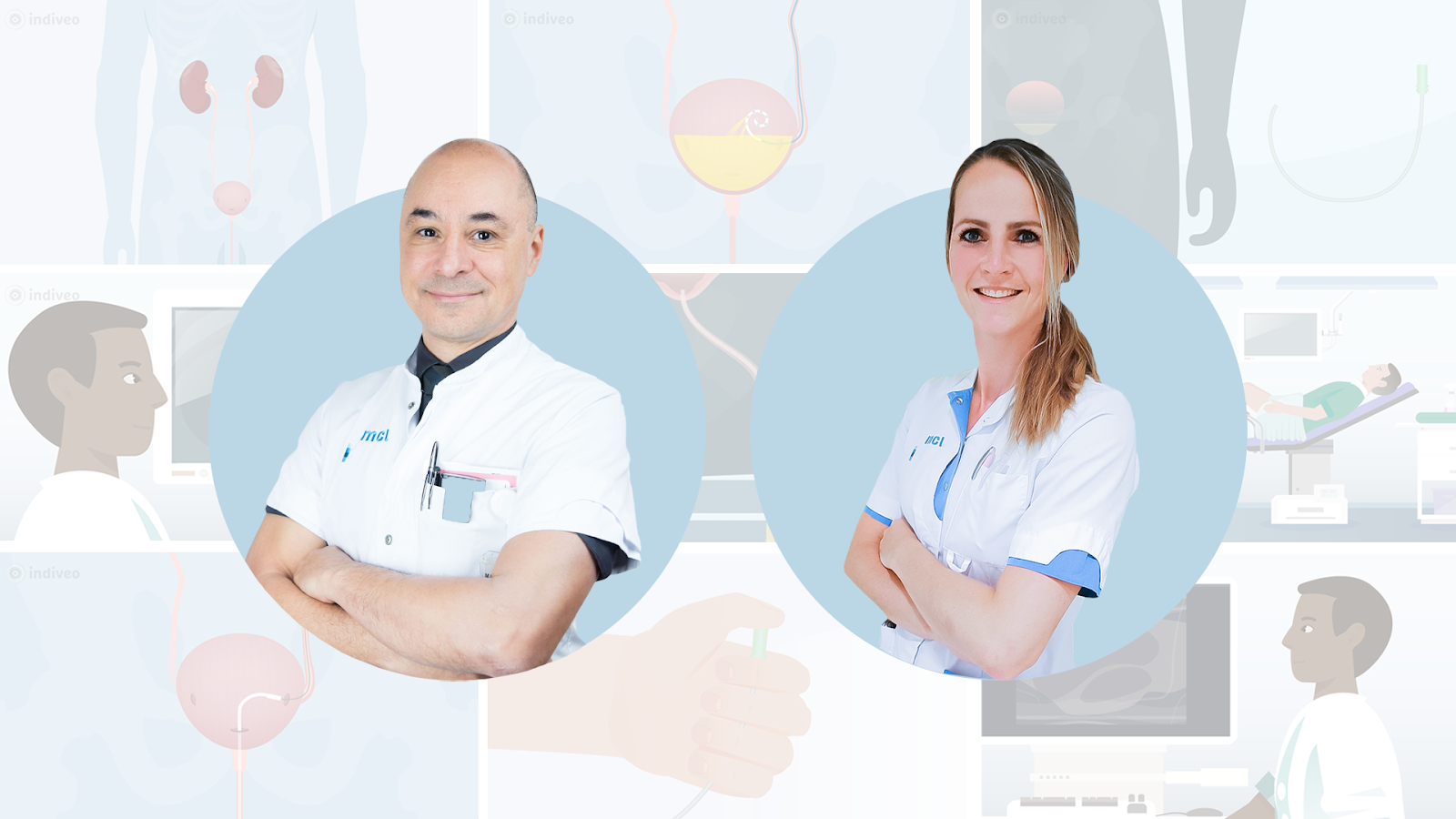
Urologist Dr. Menuhin Lampe and nurse Iris de Zeeuw van Schepen, together with Indiveo, developed the understandable patient information for the placement of the Double-J catheter.
Many patients often do not know what the body looks like on the inside. Simply because they do not concern themselves with it. To explain the human body to patients, the doctor or nurse sometimes uses existing medical images or makes drawings on the spot. Besides the fact that existing images are often very technical, a verbal explanation can also be very time-consuming.
With a Divi (with animation), every patient receives the same explanation in understandable images. The Divi can be directed in advance and contributes to patients' basic knowledge. When needed, the Divi shows what will happen in the body. Call it patient education. In the Divi Double-J catheter, for example, patients see how the placement of the internal catheter goes.
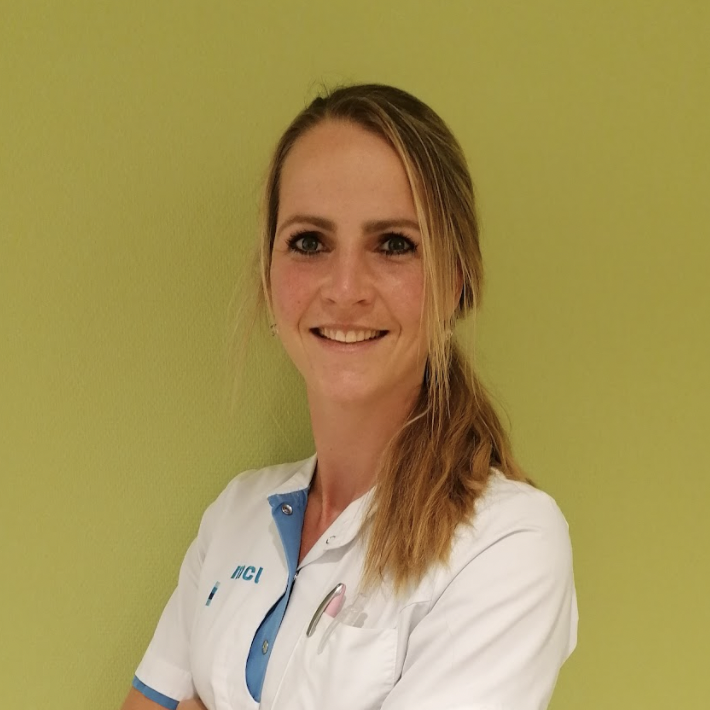
- Nurse Iris de Zeeuw - van Schepen
Nurse Iris de Zeeuw - van Schepen of the Leeuwarden Medical Center collaborated with urologist Dr. Menuhin Lampe to develop Divis for her department. These Divis are now being used for some time to inform patients about various examinations.
In the urology department, Divi's are sent out by outpatient assistants. They ensure that all patients are sent the right information at the right time.
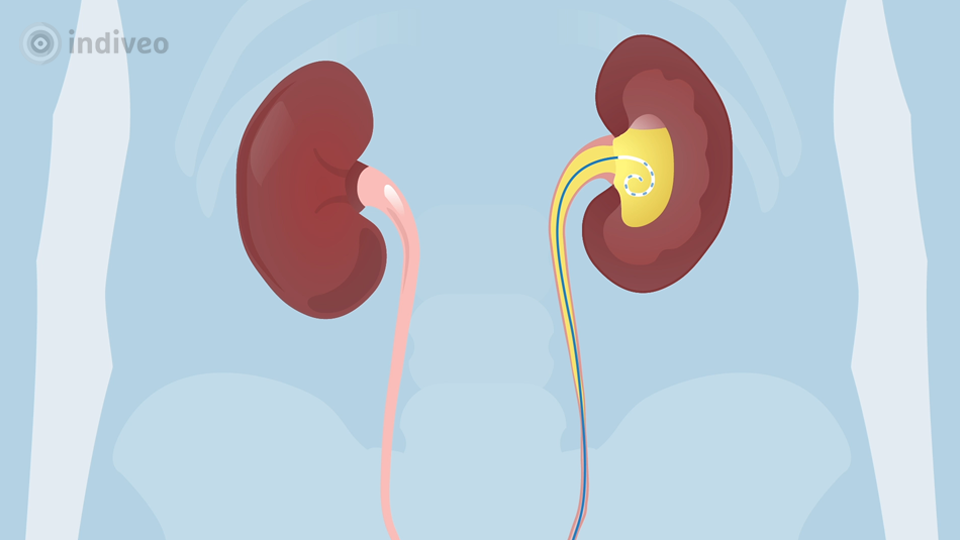
The placement of a Double-J catheter is a good example of a procedure that is difficult to explain.
'What we think is important is that patients come to the hospital well prepared. As nurses, we always ask patients about this. Since we use Divis in our education we see that patients come to the hospital better prepared and that the examinations are often faster and easier,' Iris said.
The nurses on the ward are all up to speed on the information patients are offered. "This allows us to ask targeted questions and we quickly know if patients are well informed and prepared.
- Nurse Iris de Zeeuw - van Schepen
The digitization of the information process has gone smoothly in the urology department. 'Although there is still a group of patients who have difficulty with the digitization, Iris indicates that a larger group of patients is now reached than with paper leaflets. 'Watching an animation is more approachable than reading a text.'